Industrial Automation – What You Should Know
Industrial automation is the use of control systems, machinery, and information technologies to handle industrial processes with minimal human intervention. It is one of the pillars of modern manufacturing and plays a key role in increasing efficiency, safety, and product quality.
What is Industrial Automation?
It refers to replacing repetitive manual tasks with automated systems such as:
-
Robotics for assembly, welding, painting, and packaging.
-
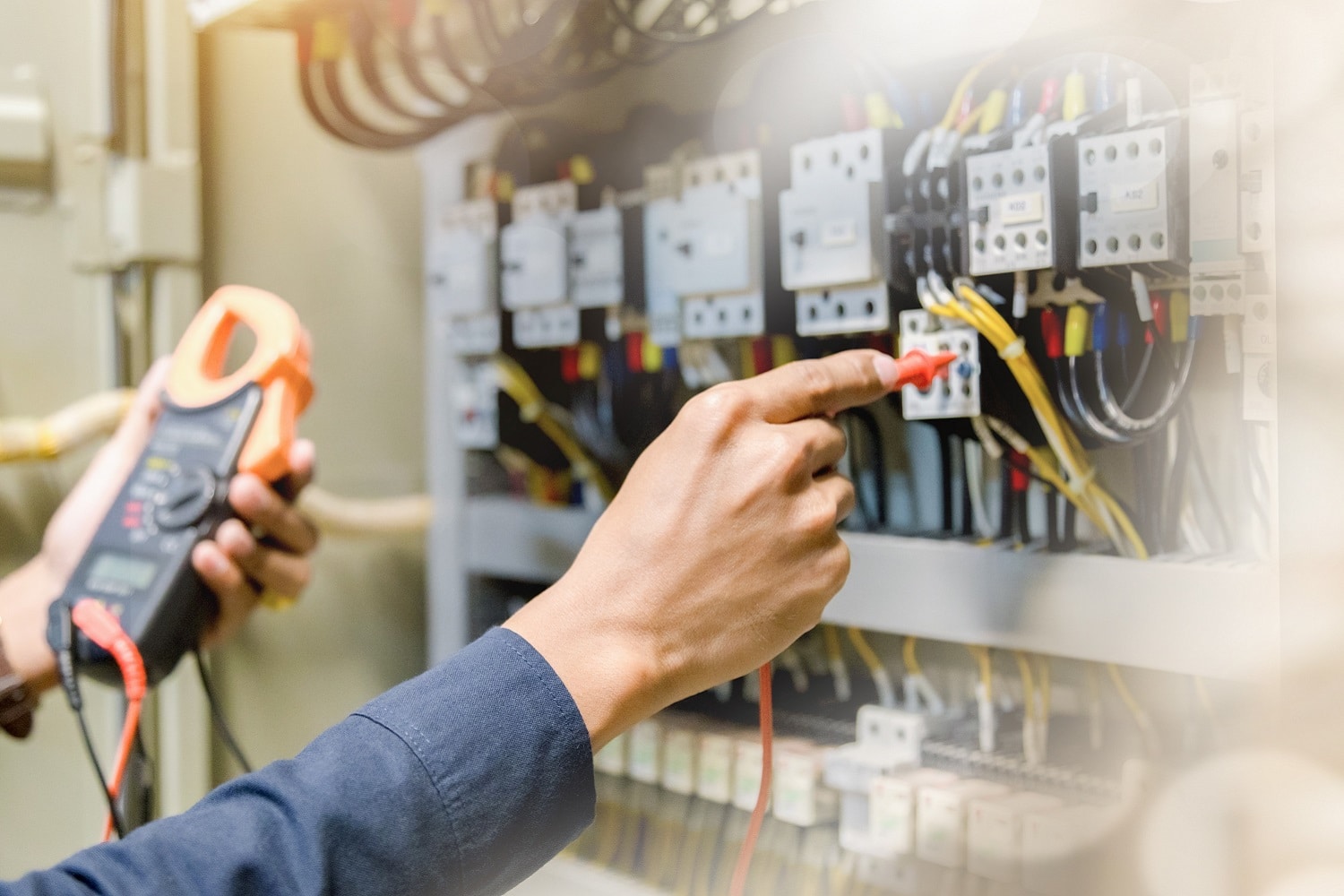
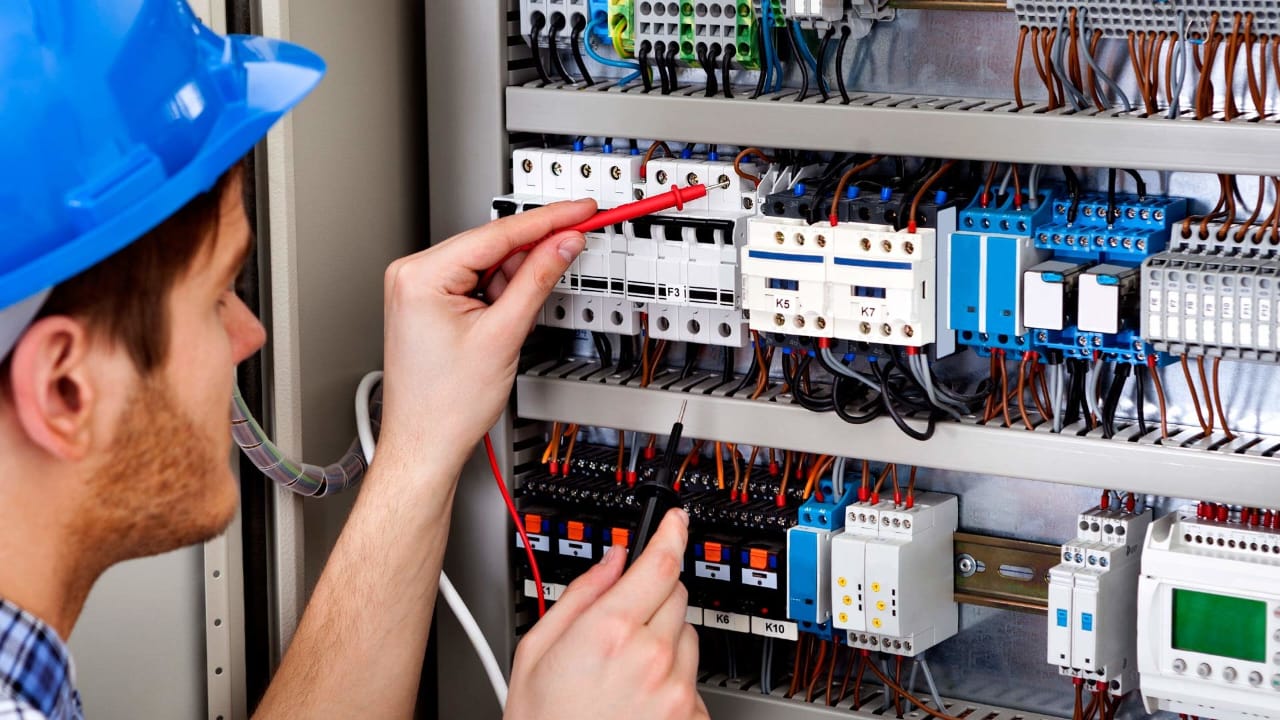
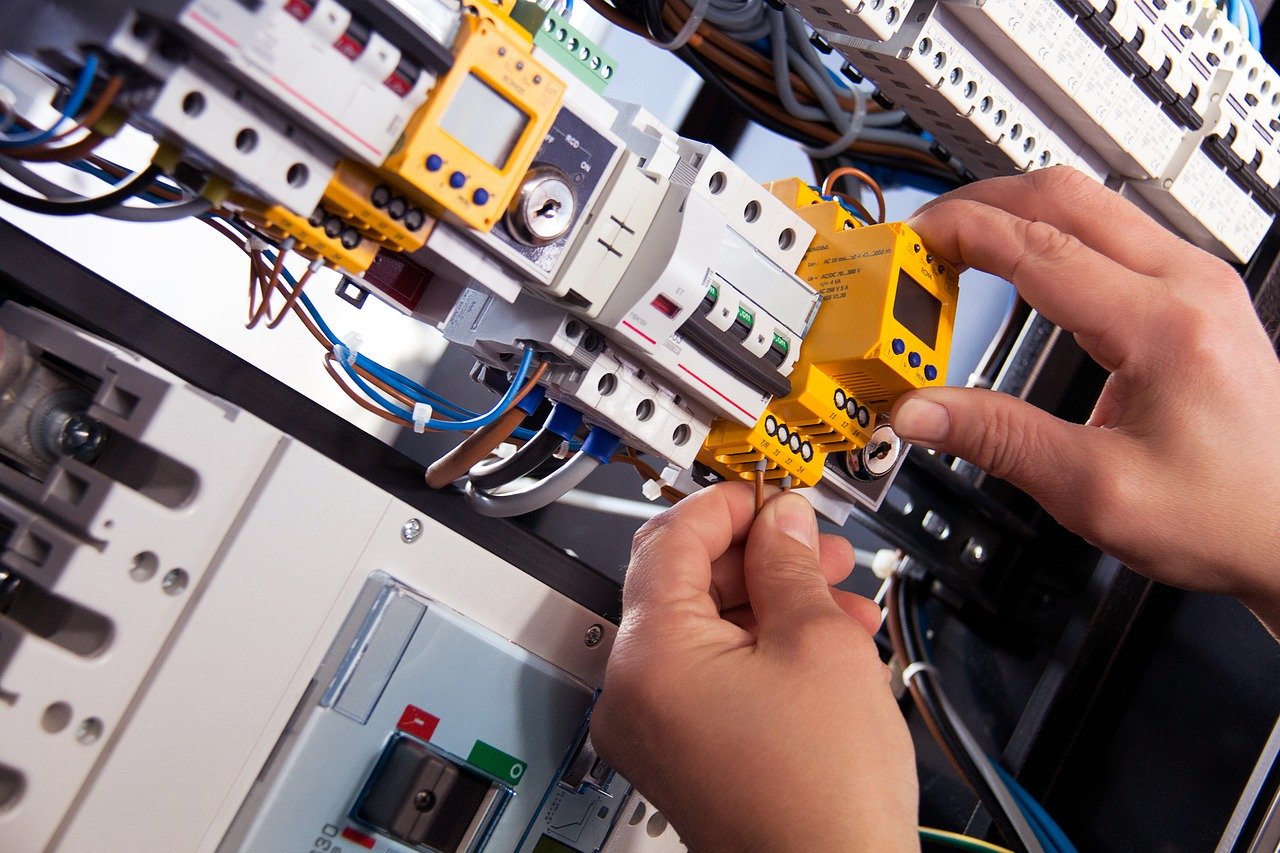
Programmable Logic Controllers (PLCs) to control machinery.
-
Supervisory Control and Data Acquisition (SCADA) systems for monitoring.
-
Industrial Internet of Things (IIoT) to connect machines and gather real-time data.
Key Benefits
-
Higher Productivity – Machines operate 24/7 with consistent output.
-
Improved Quality – Automation reduces errors and ensures uniform results.
-
Lower Costs – Reduces manual labor and waste.
-
Enhanced Safety – Machines handle dangerous tasks instead of workers.
-
Data-Driven Insights – Real-time monitoring and analytics improve decision-making.
Types of Industrial Automation
-
Fixed Automation: Pre-programmed for mass production (e.g., automotive assembly lines).
-
Programmable Automation: Suitable for batch production; flexible programming for different products.
-
Flexible (CIM – Computer Integrated Manufacturing): Highly adaptable systems for varied product designs.
-
Integrated Automation: Entire factory interconnected with AI, robotics, and IoT (Industry 4.0).
Modern Trends
-
Smart factories with connected devices and AI-driven systems.
-
Predictive maintenance using sensors to detect faults before breakdowns.
-
Collaborative robots (cobots) working safely alongside humans.
-
Green automation – energy-efficient solutions reducing environmental impact.